


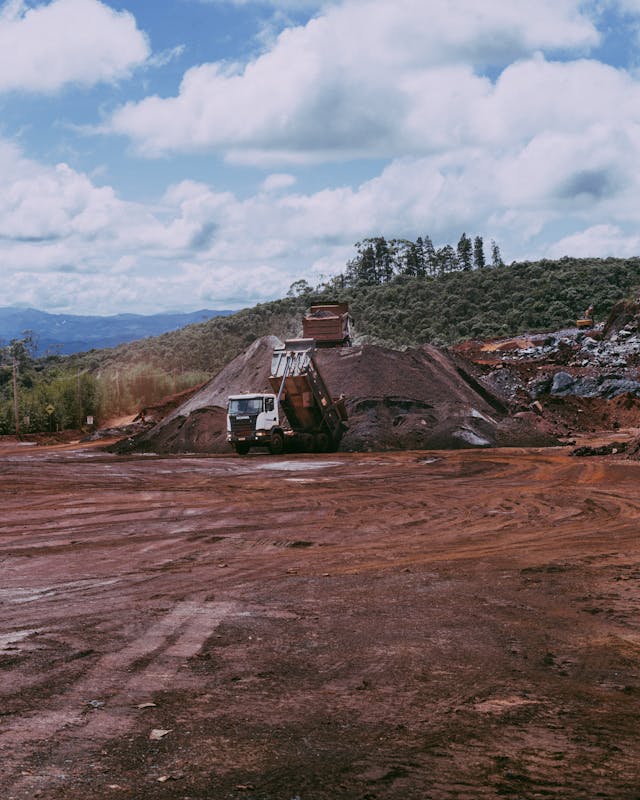
LUSAKA – Zambia is aggressively pivoting toward a high-production future, with the government unveiling a strategic roadmap to quadruple national copper output to 3 million tonnes annually by 2031. This ambitious industrial expansion, centered on the mineral-rich Copperbelt and North-Western provinces, seeks to capitalize on the global surge in demand for critical minerals essential to the green energy transition and the burgeoning artificial intelligence sector.
The initiative is already attracting significant private interest, with an estimated $10 billion in capital currently being funneled into mine expansions and new processing facilities. Leading the charge is First Quantum Minerals (FQM), which recently committed $1.25 billion toward its S3 processing plant at the Kansanshi mine. This facility is pivotal to the national strategy, designed to enhance local value-addition by transforming raw ore into 99.5% pure copper anodes on-site, thereby reducing the nation’s historical reliance on foreign smelting capacity.
Despite the optimistic production targets, the “New Dawn” administration under President Hakainde Hichilema faces the dual challenge of infrastructure deficits and the need for institutional transparency. While copper currently accounts for approximately 70% of Zambia’s export earnings, the government is under increasing pressure to ensure that this mineral wealth translates into broader socio-economic stability. Efforts to restructure 94% of the nation’s debt have provided some fiscal breathing room, yet high interest rates remain a significant barrier to long-term industrialization.
To protect domestic interests, the government has introduced local-sourcing legislation effective January 1, 2026. This policy mandates that mining firms procure a significant portion of core materials and all secondary services from Zambian-owned businesses. By fostering a domestic manufacturing base for explosives, lubricants, and equipment, Lusaka aims to create a more resilient industrial ecosystem that benefits a wider segment of the population.
However, the path to 3 million tonnes is fraught with logistical and environmental complexities. Recent industrial accidents and power shortages have highlighted the vulnerability of the sector. President Hichilema has emphasized that the era of relying on foreign aid is over, signaling a shift toward a more transactional, business-oriented relationship with both Eastern and Western partners.
“We should stop crying and blaming other people; we should take charge of our destiny,” President Hakainde Hichilema said in a recent media statement. This sentiment underscores a broader continental shift toward mineral sovereignty, as Zambia attempts to leverage the U.S.-China rivalry to secure better terms for its resources. As the global economy electrifies, Zambia’s success will depend on its ability to balance rapid industrial scaling with the rigorous environmental and social governance required by modern international investors.
