


SINGAPORE – Copper is entering 2026 balanced on a knife-edge as the global race for energy transition fuels aggressive demand, even as the industrial plumbing of the mining sector struggles to keep pace. While investors remain bullish on the metal’s long-term necessity for green infrastructure, a critical shortage of copper concentrate is creating a historic squeeze at the smelting level. Market analysts note that while mine output is technically rising, the inability to process that ore into refined cathode is threatening to flip the market into a significant deficit this year.
The pricing environment remains volatile, following a dramatic surge above US$12,000 a tonne in late 2025 that was spurred by a combination of supply disruptions and defensive stockpiling ahead of shifting trade policies in Washington. A recent Reuters poll suggests average prices for 2026 will likely settle around US$10,500 a tonne—a level that remains high by historical standards. However, the true barometer of the market’s health is currently found in treatment and refining charges (TC/RCs), which have plummeted to record lows of US$0 for some Chinese contracts, signaling a desperate scramble among smelters for available feed.
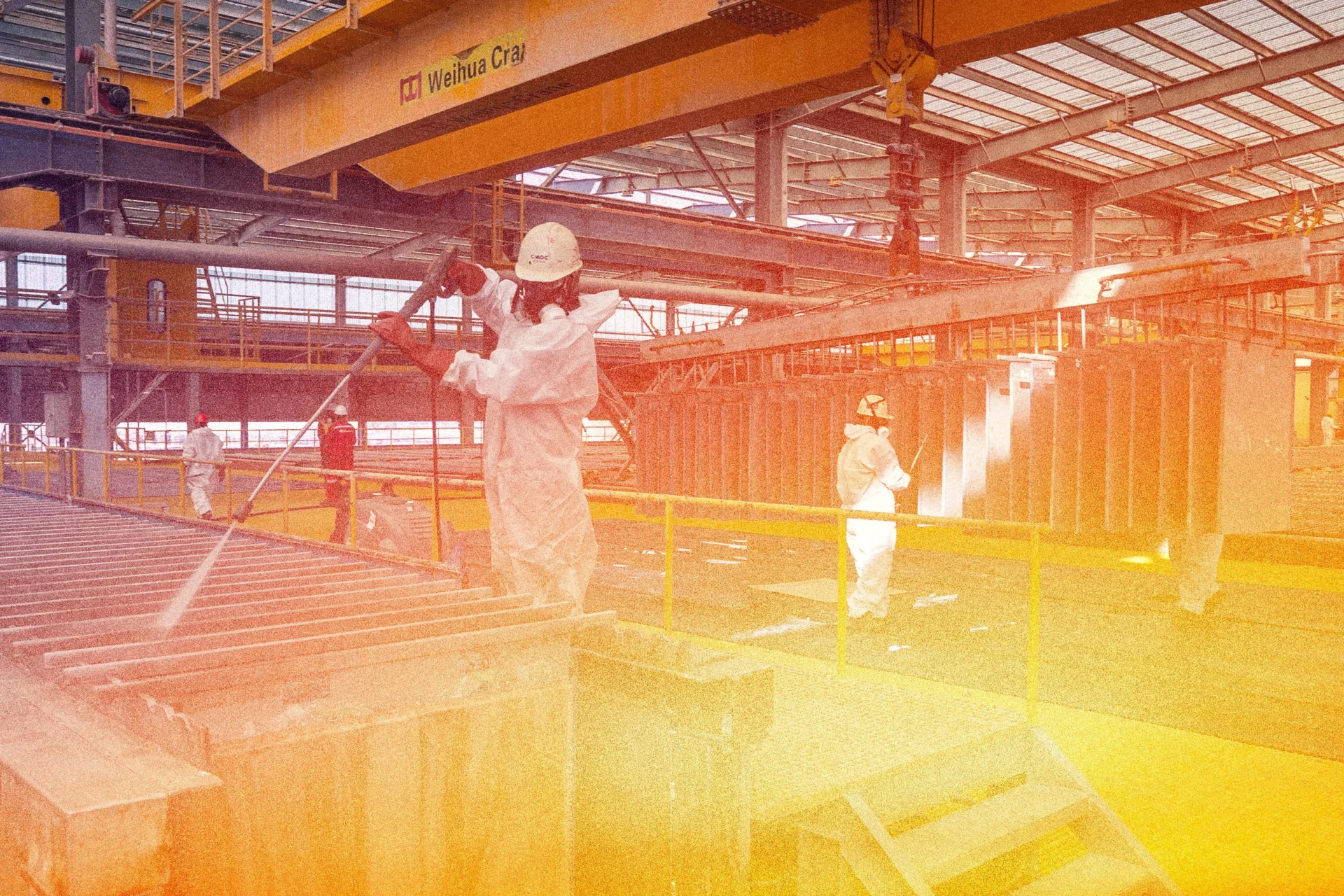
In Africa, the Copperbelt—spanning the Democratic Republic of Congo (DRC) and Zambia—has solidified its role as the global swing factor, now accounting for approximately one-sixth of the world’s mined copper. The DRC, dominated by industrial giants like CMOC and Ivanhoe Mines, saw production hit 3.3 million tonnes in 2024, yet it remains dogged by governance risks and periodic crackdowns on artisanal processing. Meanwhile, Zambia is pitching an ambitious comeback, with the finance ministry targeting a return to 1 million tonnes of annual production by the end of 2026, supported by massive capital expenditure from First Quantum and Barrick.
The regional contest for logistical dominance is also intensifying as the West and China back competing export corridors to move these strategic minerals to global markets. On the Atlantic coast, the US-led Lobito Corridor is gaining traction as a flagship route to cut freight costs, while China has committed US$1.4 billion to refurbishing the TAZARA railway leading to the Indian Ocean. This infrastructure duel provides African producers with newfound optionality, potentially reducing the “logistics tax” that has historically weighed on the region’s margins.
The International Copper Study Group (ICSG) expects the refined copper market to swing to a 150,000-tonne deficit in 2026, underscoring the urgency of these supply-side developments. As one industry observer noted in a recent media statement, “The 2026 outlook will be defined less by abstract talk of long-term deficits and more by the cold reality of whether the Copperbelt can deliver consistent tonnage without the interference of political or operational shocks.”
