


DODOMA – Tanzania is positioning its massive Kabanga nickel deposit as a cornerstone of the global electric vehicle (EV) supply chain, while simultaneously tightening its regulatory grip to ensure that the nation’s buried wealth translates into domestic industrial growth. With an estimated 64 million short tons of high-grade nickel ore, the Kabanga site—situated within the prolific East African Nickel Belt—represents one of the world’s largest undeveloped sulphide deposits, offering a lower-carbon alternative for battery manufacturers compared to traditional laterite ores.
The project, which is being advanced by Lifezone Metals and BHP, arrives at a critical juncture as the Tanzanian government rolls out the 2025 Amendments to its Mining (Local Content) Regulations. These updated rules mandate that non-indigenous firms must form joint ventures with 100% Tanzanian-owned companies to supply the sector, while also requiring that all financial and insurance services be procured through domestic institutions. For the Kabanga project, which targets a final investment decision in 2026 and first production by 2027, these regulations are a litmus test for the country’s “mineral-to-market” strategy.
“Kabanga’s future will depend on how well Tanzania balances investor concerns about cost and risk with public expectations for local benefits,” notes Jambo Hamisi Ramadhani, a policy researcher at University College Dublin. “If the project reaches production with strong local hiring and transparent community investments, it could guide other resource-rich nations; if instead benefits appear concentrated among an elite, the nickel may stay underground while global demand accelerates elsewhere.”
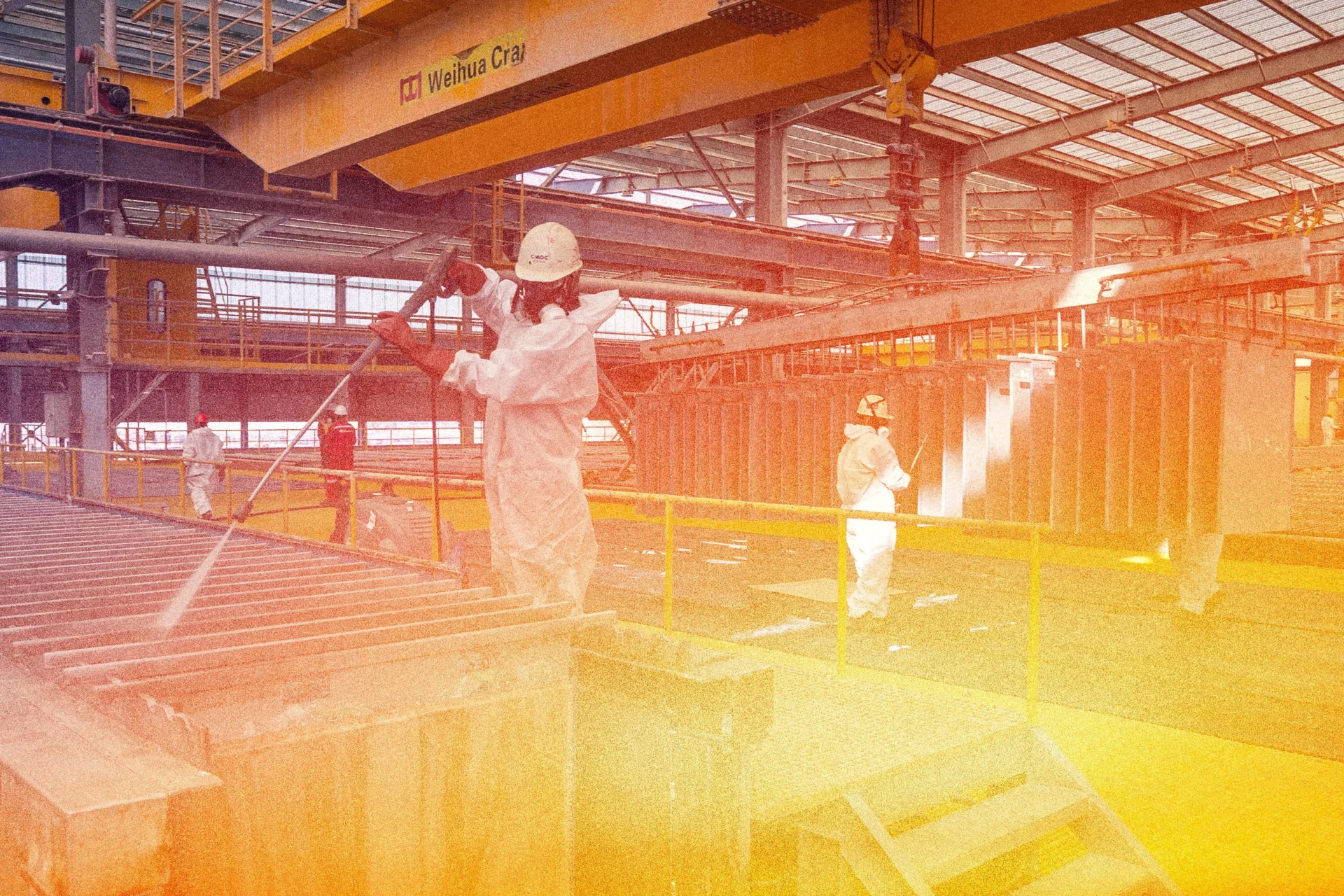
Despite the clear economic potential, significant hurdles remain, including a historical lack of reliable power and infrastructure in the remote northwestern region. To de-risk the venture, developers are increasingly turning to proprietary hydrometallurgical technology, which bypasses the energy-intensive smelting process. This approach not only aligns with the ESG requirements of global automotive OEMs but also allows Tanzania to produce Class 1 nickel, copper, and cobalt refined metals on-site, moving the country up the value chain from raw ore exporter to a refined metal producer.
However, the transition from subsistence mining to an industrial powerhouse is meeting friction on the ground. While recent case studies show that Tanzanian nationals already hold up to 98% of direct jobs at some large-scale sites, a persistent skills gap in specialized engineering and metallurgy continues to fuel local resentment when high-paying technical roles are filled by expatriates. Furthermore, local suppliers often struggle to compete for major contracts due to a lack of affordable credit and international safety certifications, leaving many confined to low-margin subcontracting.
As the 2025-2026 agricultural and mining cycles converge, the Tanzanian government is doubling down on its local content framework to ensure the “nickel boom” does not repeat the mistakes of the past. By enforcing strict timelines for replacing expatriate staff and publishing exclusive lists of goods reserved for local firms—ranging from logistics to legal services—Tanzania is betting that its multimillion-dollar treasure will finally deliver the broad-based economic transformation its citizens have long demanded.
